

Filing a patent can be a complicated method, but understanding certain requirements beforehand makes it in an easier way to navigate. Inventors and corporations should make sure that their submissions meet all necessary requirements to safeguard their intellectual property effectively. A patent application is more than a sort; it is a appropriate document that will secure distinctive rights over your innovation.
What Are the Core The different parts of a Patent Application ?
A comprehensive patent application typically involves:
Subject of the innovation – An obvious and brief concept is critical.
Abstract – Summarizes the technology in 150–250 words.
Information – Detailed reason of the technology and their novelty.
States – Determine the scope of safety for the invention.
Images – Visible representations encouraging the description.
Creator data – Legitimate factual statements about the designer or applicants.
Statistically, incomplete applications account fully for around 35% of original rejections globally, emphasizing the importance of thoroughness.
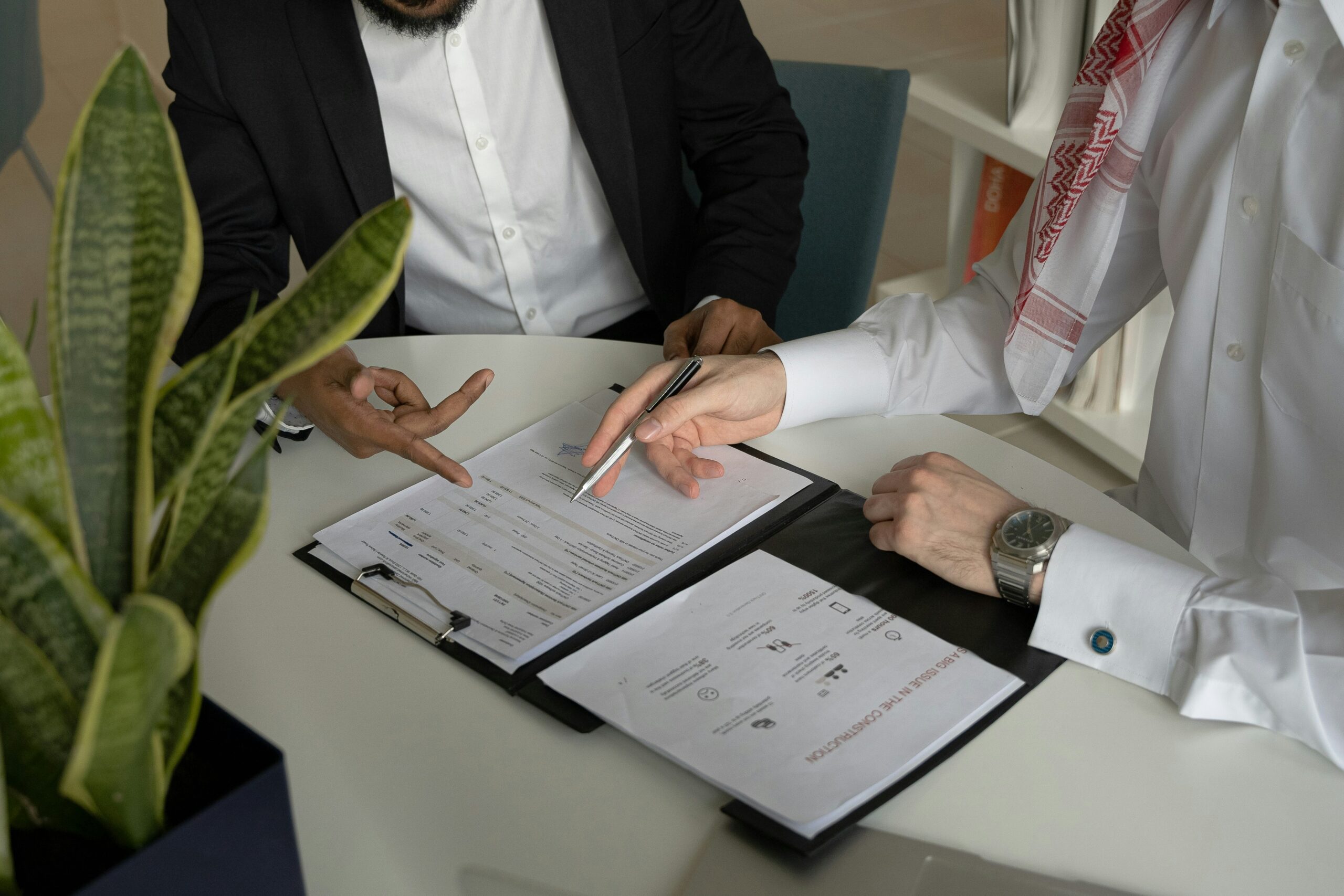
Who Can Record a Patent Application ?
Any specific or entity that's created a fresh and of good use method, machine, arrangement, or development may file. Equally main inventors and organizations can publish applications, nevertheless agencies usually utilize patent attorneys to ensure submission with legal standards.
What Kinds of Patents Are There?
Application Patents – Protect new inventions or practical improvements.
Design Patents – Protect special ornamental designs.
Plant Patents – For new kinds of plants.
New tendencies indicate that power patents dominate filings, creating about 80% of patent programs in major markets.
How Do You Assure Your Patent Is Book?
Patent practices require your invention be novel and non-obvious. Completing prior artwork queries and recording your development process is critical. Information shows that applicants who accomplish thorough previous searches have a 60% larger potential for approval.
How Significantly Does Processing a Patent Price?
Prices range depending on the kind of patent and the jurisdiction. Normal processing expenses vary from $400 to $1,500, excluding attorney or skilled fees. Proper planning may lower unnecessary expenses while ensuring extensive protection.
What May be the Timeline for Approval?
The common approval time for a patent application is between 18–36 months. This includes examination, office actions, and potential appeals. Understanding these timelines helps in handling task releases and rational home strategies.
May International Defense Be Purchased?
Sure, through treaties such as the Patent Cooperation Treaty (PCT), inventors may seek defense in multiple nations with just one filing. Data show a 25% upsurge in PCT filings during the last five years, sending world wide innovation trends.

How Do Company Actions Influence Your Application ?
An office activity is a answer from the patent office seeking clarification or adjustments. Answering instantly and accurately increases the likelihood of approval, with a noted 70% achievement rate for timely submissions.
Are Patent Applications Public?
Patent purposes usually become public 18 months after filing, allowing competitors to review your invention. Strategically planning your processing will help harmony defense and confidentiality.
Why Employ a Qualified for Your Patent Application ?
Qualified patent attorneys or agents increase acceptance charges somewhat by ensuring compliance with legitimate requirements, creating solid claims, and moving complicated regulations. Knowledge implies that appropriately prepared purposes have a 50–65% higher accomplishment charge than self-filed applications.
In summary, knowledge patent application needs is essential for getting your rational property. By adhering to a organized method, performing thorough study, and considering professional advice, inventors can increase their chances of successful patent acceptance while strategically guarding their innovations.